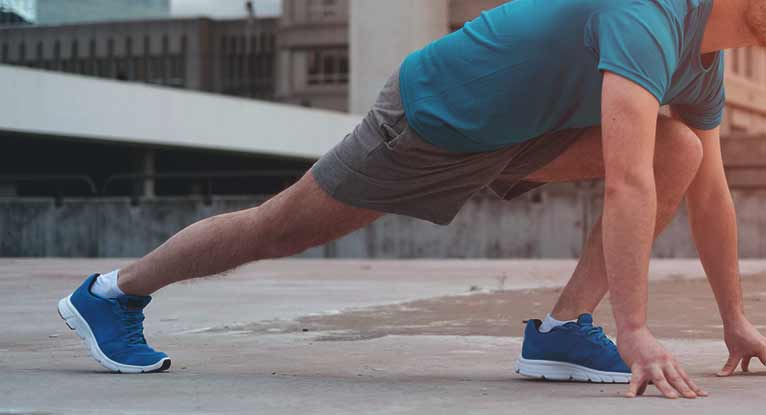
Stretching can be static or dynamic and is a piece of programming that many of us neglect regularly. Static stretching is holding the stretch in a stationary position while dynamic stretches move a joint or joints through their full range of motion to mimic the upcoming activity or sport.
For weightlifters and athletes of all sports, dynamic stretching is the more effective warm-up strategy while static stretching is far more effective post-workout as a cool down.
Preparing for a Workout
“Stretching” and “warming up” often are used interchangeably but they are not the same thing. A proper warm-up, which could include 10 minutes of walking, jogging, or biking, should be done before performing stretching exercises.
Stretching while the body is cold can lead to injury. Plus, an increased body temperature helps increase the joint’s ROM.
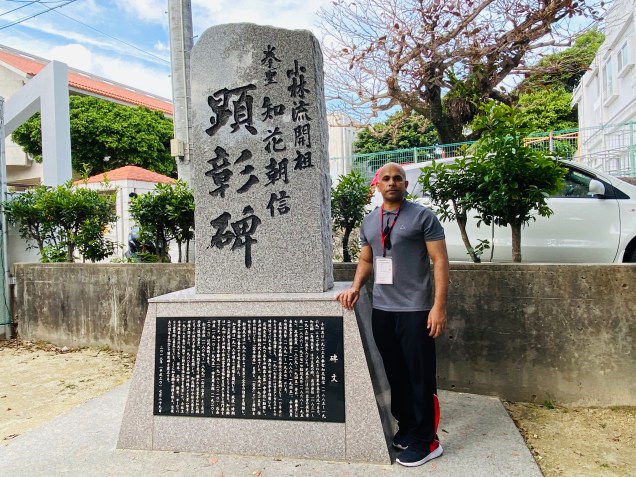
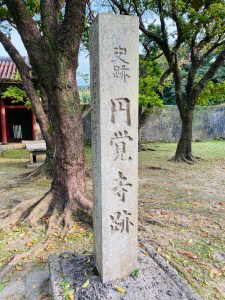
The monument honoring of Sensei Chibana Choshin (Founder of Shorin Ryu). Built in 2018, when he was fifteen, Chibana Sensei became a student of Itosu Sensei and studied Karate. He named his karate as Shorin Ryu in 1933. After the battle of Okinawa during WWII, he instructed his students at the Public Hall in Shuri Yamagawa- Cho. The monument located – 1-27 Shuri Yamagawa-Cho, Okinawa – Japan.
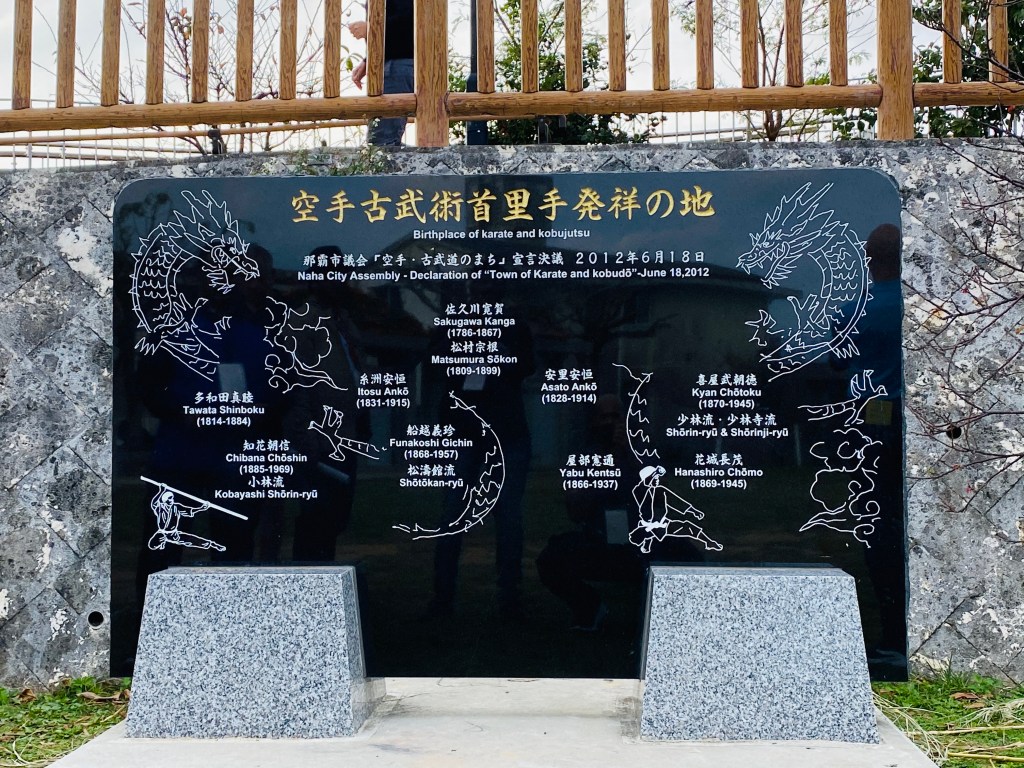
The monument Built in 2018. A monument praising To-di Sakugawa (Sakugawa Kanga). The monument dedicated to the birthplace of Shuri-Te with Sensei Sakugawa Kango as forefather. As masters of Shuri-te who tracer their lineage to Sakugawa, the names of expert such as Matsumura Soken, Asato Anko, Itosu Anko among others are engraved on the monument. The monument located 1-Chome Shuri Sakiyama-Cho ( inside the Sakiyama Park)
Sakugawa Kango
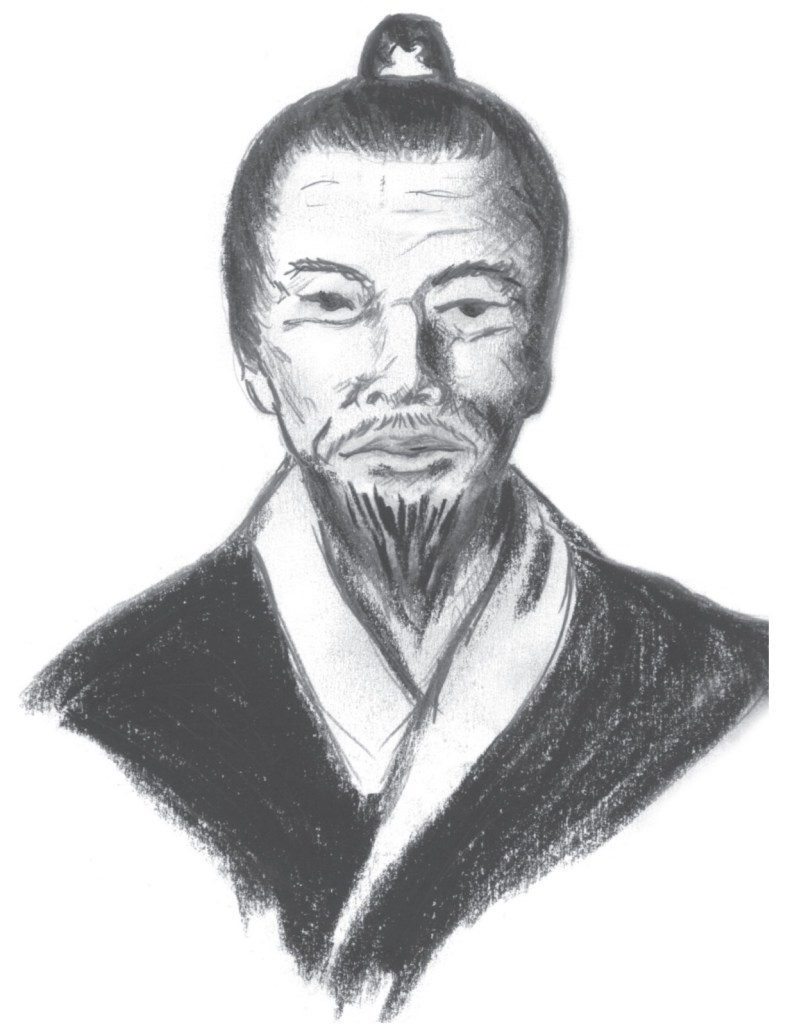
The father of Okinawan Karate, Master Kanga Sakugawa was born in Shuri, Okinawa in 1733. In 1750, Mster Sakukawa began his training as a student of an Okinawan monk, Peichin Takahara. After six years of training, Takahara suggested that Master Sakugawa train under Master Kusanku, a Chinese master in Ch’uan Fu. Master Sakugawa spent the next six years training with Kusanku and began to spread what he learned to Okinawa in 1762. He became such an expert that people gave him, as his nickname, “Tode” Sakugawa (“Chinese Hand”). His most famous student, Matsumura Sokon, went on to develop Shuri-te which later developed into Shorin-ryu style of karate.
Master Sakugawa also called the father Okinawan Karate, is considered by many to be Okinawan’s first real karate teacher and author of of the first Dojo Kunhttps://g.co/kgs/LWEZ3J. He created the Sakugawa no Kun, a bo Kata.
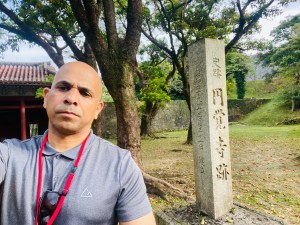
Photo :Photo Taken on 2020 and All information collected during “Karate Historical Tour” Organized by Okinawa Karate Kaikan 2020
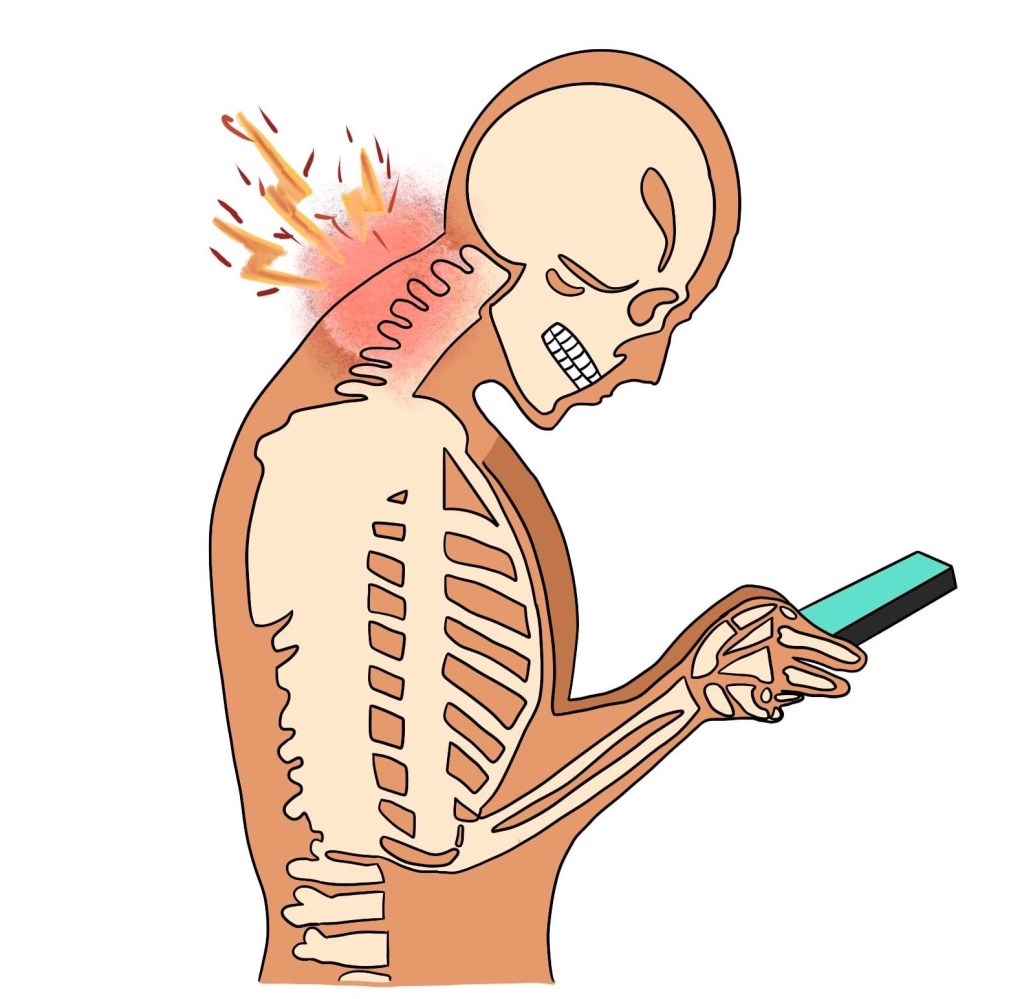
ആധുനിക യുഗത്തിൽ നാം ഒരുപാട് മുന്നേറിയെങ്കിലും അതോടൊപ്പം ജീവിത ശൈലീ രോഗങ്ങളും വർധിച്ചു കൊണ്ടിരിക്കുന്നു. പക്ഷെ നാം ആരും ശ്രദ്ധിക്കാതെ പോകുന്ന നമ്മുടെ രോഗമാണ് അല്ലെങ്കിൽ രോഗ ലക്ഷണമാണ് (syndrome) Deep Neck Flexors. ഇതിനെ അപ്പർ ക്രോസ്ഡ് സിൻഡ്രോം ( UCS ) എന്നും അറിയപ്പെടുന്നു.
സ്മാർട്ട്ഫോണുകൾ, കമ്പ്യൂട്ടറുകൾ, ടാബ്ലെറ്റുകൾ എന്നിവയുടെ അമിത ഉപയോഗം, ദീർഘ സമയം ഇരിക്കുക, ഡ്രൈവിംഗ് എന്നിവ ഇതിന്റെ പ്രധാന കാരണങ്ങളാണ്
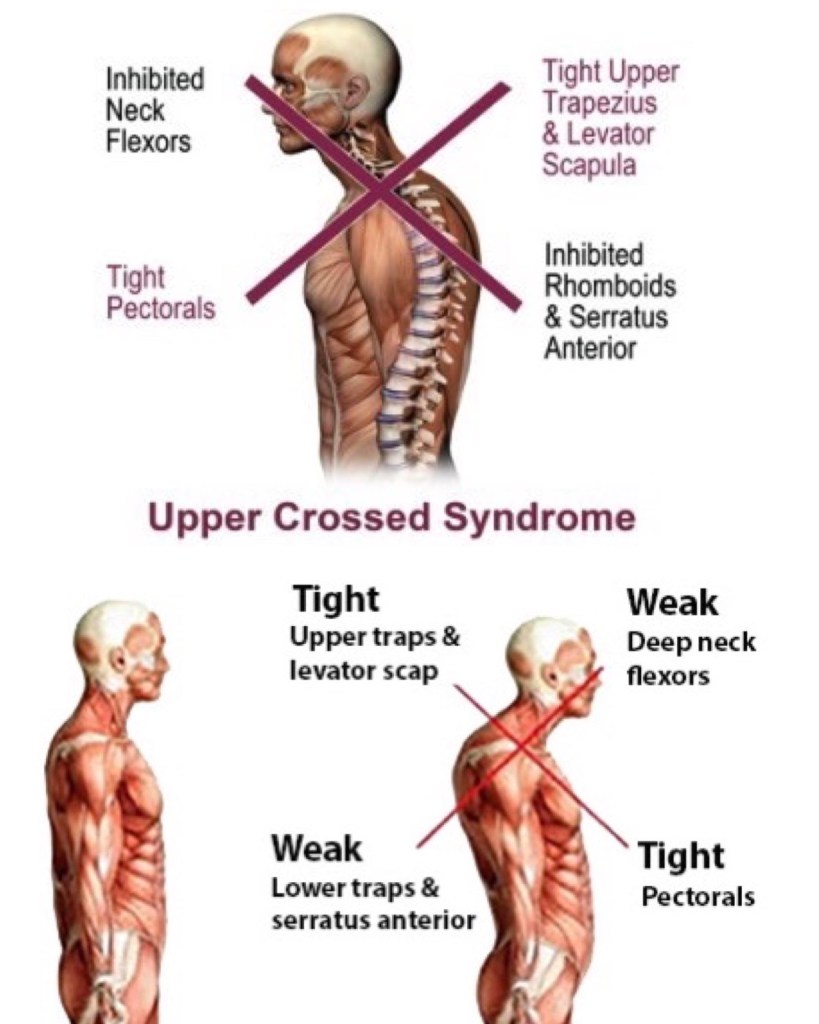
കഴുത്ത്, മുകൾഭാഗം, നെഞ്ച്, തോളുകൾ എന്നിവയിൽ അസന്തുലിതാവസ്ഥ ഉണ്ടാകുമ്പോൾ പലപ്പോഴും UCS എന്ന് വിളിക്കപ്പെടുന്ന അപ്പർ ക്രോസ്ഡ് സിൻഡ്രോം (Upper Crossed Syndrome) സംഭവിക്കുന്നു. ഇത് സാധാരണയായി മോശം postures അല്ലെങ്കിൽ തുടർച്ചയായ തെറ്റായ ചലനങ്ങളുടെ ഫലമാണ്. ശരിയായ, സ്ഥിരമായ, ശരിയായ വ്യായാമത്തിലൂടെ ഇത് ശരിയാക്കാം.
സാധാരണയായി ഹെൽത്ത് ജിമ്മുകളിൽ (health Club / Fitness center) പരിശീലകർ നടുവേദന തടയുന്നതിനും, സുഖപ്പെടുത്തുന്നതിനും “കോർ – Core” പേശികളെ ശക്തിപ്പെടുത്തുന്നതിനെക്കുറിച്ച് സംസാരിക്കുമ്പോൾ, കഴുത്ത് വേദന കുറയ്ക്കുന്നതിനോ ഒഴിവാക്കുന്നതിനോ സഹായിക്കുന്നതിന് ശക്തിപ്പെടുത്തേണ്ട “കോർ (Core)” പേശികളെക്കുറിച്ച് സംസാരിക്കുന്നത് അപൂർവ്വമായി കണ്ടുവരുന്നു.
ചിലർ ശാരീരികമായി ഫിറ്റാണെങ്കിലും ചിക്കൻ ഹെഡ് അല്ലെങ്കിൽ ജിറാഫ് എന്നിവയെപ്പോലെ കഴുത്ത് മുന്നോട്ട് തള്ളി നിൽക്കുന്നതായോ അല്ലെങ്കിൽ കഴുത്ത് താഴേക്ക് വളഞ്ഞതായോ കാണാം.
ഏകദേശം 70% ആളുകൾക്ക് അവരുടെ ജീവിതത്തിലെ ഏതെങ്കിലും ഘട്ടത്തിൽ കഴുത്ത് വേദന അനുഭവപ്പെടുമെന്ന് ഗവേഷണങ്ങൾ കാണിക്കുന്നു. നടുവേദന അനുഭവപ്പെടുന്ന ആളുകളുടെ സ്ഥിതിവിവരക്കണക്കുകളുടെ ഏതാണ്ട് സമാനമായ സംഭവമാണിത്, എന്നാൽ കഴുത്ത് വേദന ( upper crossed syndrome/ deep neck flexors) വ്യാപകമായി ചർച്ച ചെയ്യപ്പെടുന്നില്ല.
• Stiff Suboccipital Muscles
• Upper and Lower Trapezius
• Levator Scapulae
• Weak Rhomboids
• Serratus Anterior
• Stiff Pectoral
Deep neck Flexors / UCS ന് പ്രധാനയും കാരണം മേല്പറഞ്ഞ കഴുത്തിന് ചുറ്റുമുള്ള (Upper Body) മസിലുകൾക്ക് ഉണ്ടാകുന്ന ബലഹീനതയോ, അവ പ്രവർത്തനരഹിതമാവുകയോ ചെയ്യുന്നത് കൊണ്ടാണ്. ഇത് നമുക്ക് ഒരു പരിധി വരെ Corrective Exercise Method വഴി പരിഹരിക്കാവുന്നതാണ്.
Planks involve a more complete and comprehensive balance of the muscles of the abdominal, obliques, spinal erectors, and to some extent muscles in the glutes, shoulder, chest and arms. Planks use an isometric contraction to target the core musculature, and muscle activation has been shown to be almost twice as active as in a standard sit-up. Planks, if done correctly, are safe and put no unnecessary strain or compression on the spine. Variations of the plank movement can be performed to increase or decrease difficulty and target different muscles
Drawbacks of Planks:
Joint limitations in the elbows, shoulders, or feet can potentially negatively affect your ability to correctly perform the exercise. If you are very weak in the core musculature, you might find it difficult to maintain proper positioning in the movement for more than a few seconds, and therefore limited progress can be seen in the early stages of performing the exercise.
How to do it: Start by resting on the forearms and toes while keeping the body in a straight line from neck to ankles . Make a Double chin / tuck the chin to activate the deep neck flexors. Next, “squeeze the Glutes and Quads.” The elbows and feet won’t move.
How to modify it: If this version is too difficult, rest your knees on the floor. The body should be in a straight line from neck to knees and “pull the knees toward the hips” instead of “pull the feet toward the hips.”
Combine Your Upper and Lower Body Exercises – Cut your strength routine in half by incorporating exercises for several body parts. For example, while performing a lunge, add a set of bicep curls to the movement.
Choose Compound Exercises – Exercises that work several muscle groups simultaneously are more time efficient than isolation exercises, which focus on one major muscle group. Examples of compound exercises include the leg press, squat, chest fly, walking lunge and seated row.
Circuit Training – With minimal equipment, you can set up stations alternating cardio activities with strength training activities. This will keep your heart rate up so that you can get both the aerobic and anaerobic (strength) benefits. A sample circuit might include: jump rope, bicep curls, jumping jacks, push-ups, jogging in place, squats, mini-trampoline exercises and dips. Repeating the circuit up to three times is guaranteed to boost your metabolism in under 30 minutes.
Interval Training – Using active rest and work ratios will allow you to workout at the upper and lower levels of your heart rate zone and optimize calories expended. You can start with brisk walking for 2 minutes and jogging for 30 seconds. Then progress to 2 minutes of brisk walking and 1 minute of jogging. Eventually progress to two minutes of each and ultimately to spending less time walking and more time jogging. If you are already a runner, alternate your running with sprints where you accelerate with a burst of energy and then taper back to a run.
Built in 2018. A monument praising To-di Sakugawa (Sakugawa Kanga). The monument dedicated to the birthplace of Shuri-Te with Sensei Sakugawa Kango as forefather. As masters of Shuri-te who tracer their lineage to Sakugawa, the names of expert such as Matsumura Soken, Asato Anko, Itosu Anko among others are engraved on the monument. Located 1-Chome Shuri Sakiyama-Cho (inside the Sakiyama Park)
MONUMENT – CHIBANA CHOSHIN Sensei ( Founder of Shorin Ryu)
The monument honoring of Sensei Chibana Choshin (Founder of Shorin Ryu). Built in 2018, when he was fifteen, Chibana Sensei became a student of Itosu Sensei and studied Karate. He named his karate as Shorin Ryu in 1933. After the battle of Okinawa during WWII, he instructed his students at the Public Hall in Shuri Yamagawa- Cho. The monument located – 1-27 Shuri Yamagawa-Cho.
Monument “Karate ni sente nashi.” – There is no first strike in Karate
The monument Honoring to Sensei Funakoshi Gichin
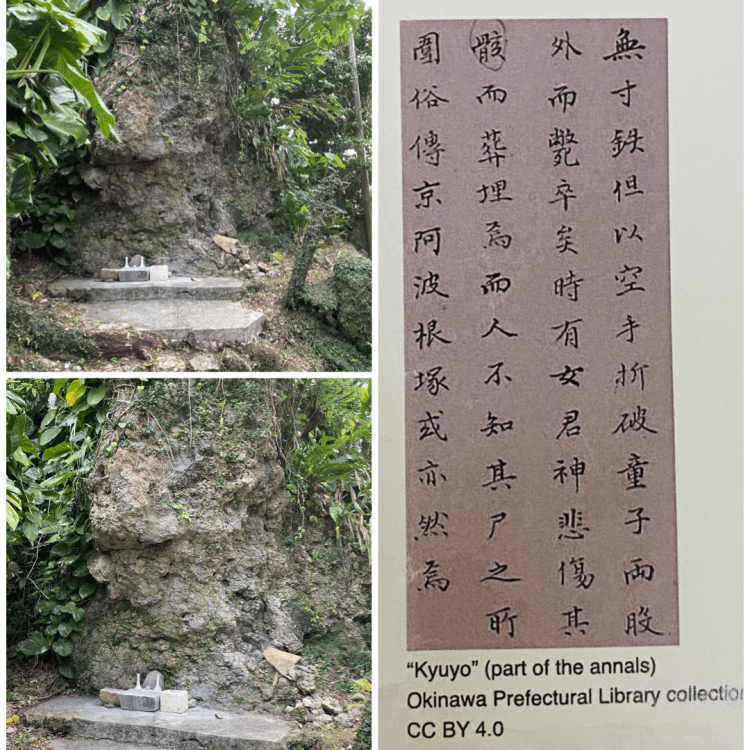
KYO AHAGON ZUKA (tombstone)
For the first time history of Ryukyu, the characters for “空手” were used in relation with an affair involving a man Kyo Ahagon Jikki. This is the place Where are you now Ahagon died. The Word “空手” here means empty hand fist , Ahagon was a martial expert.
OKINAWA NORML SCHOOL
In this School Karate was taught for a long time since 1906 by Sensei Yabu Kentsu . After Sensei Yabu Passing, Sensei Miyagi Chojun (1888-1953) instructed this school. and spread Karate in various areas.
***All information collected during “Karate Historical Tour” Organized by Okinawa Karate Kaikan 2020
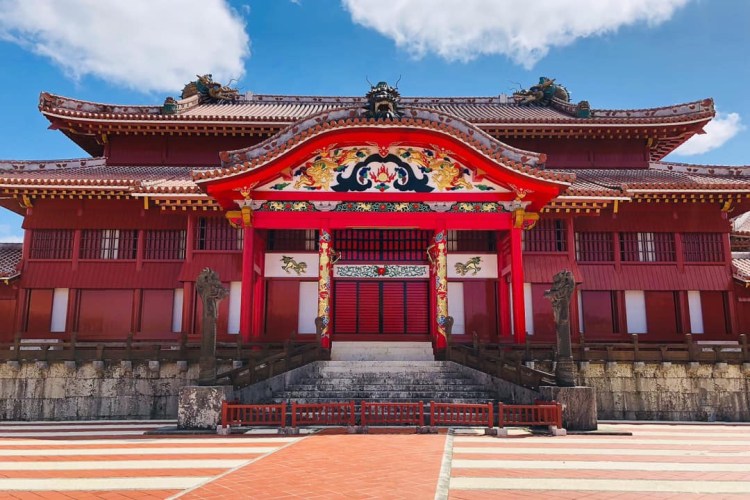
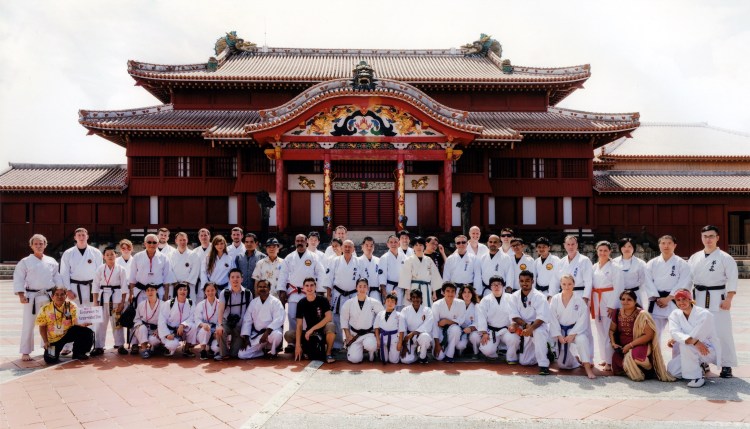
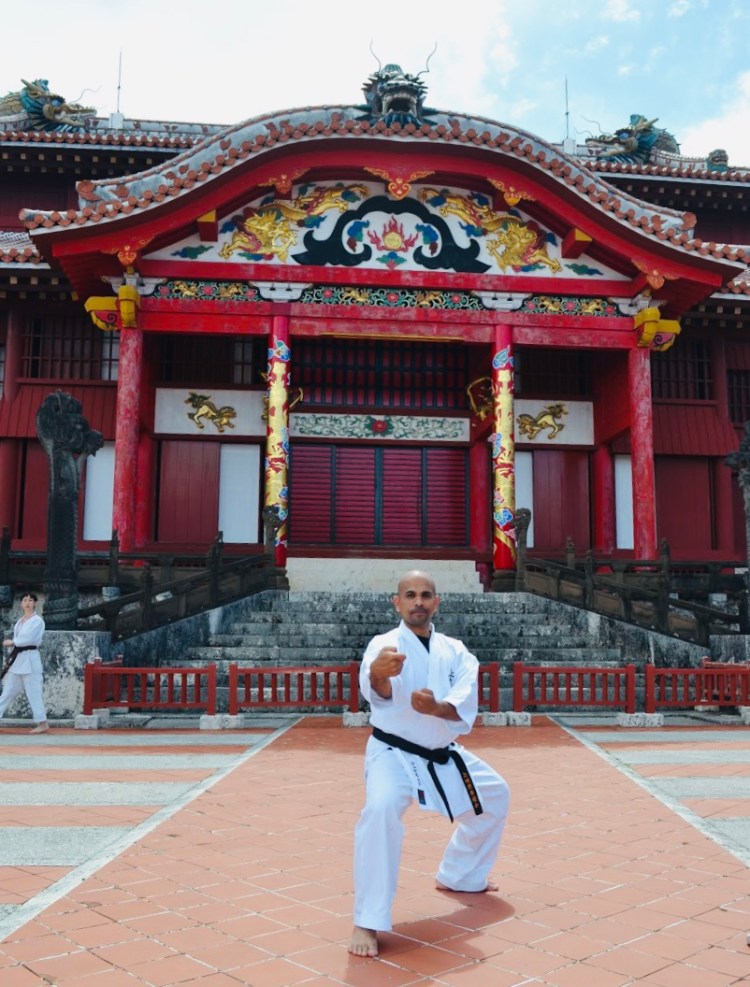
Shuri Castle is a Ryukyuan gusuku castle in Shuri, Okinawa Prefecture, Japan. Between 1429 and 1879, it was the palace of the Ryukyu Kingdom, before becoming largely neglected. In 1945, during the Battle of Okinawa, it was almost completely destroyed. After the war, the castle was re-purposed as a university campus.
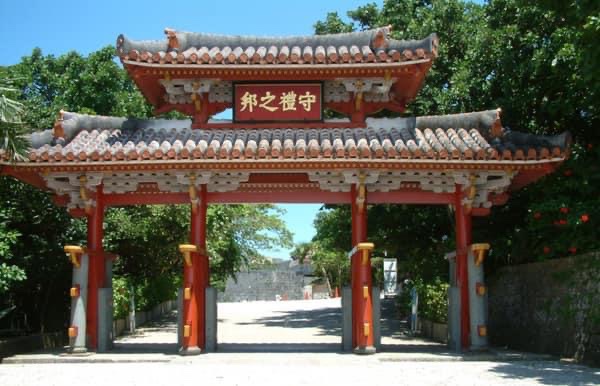
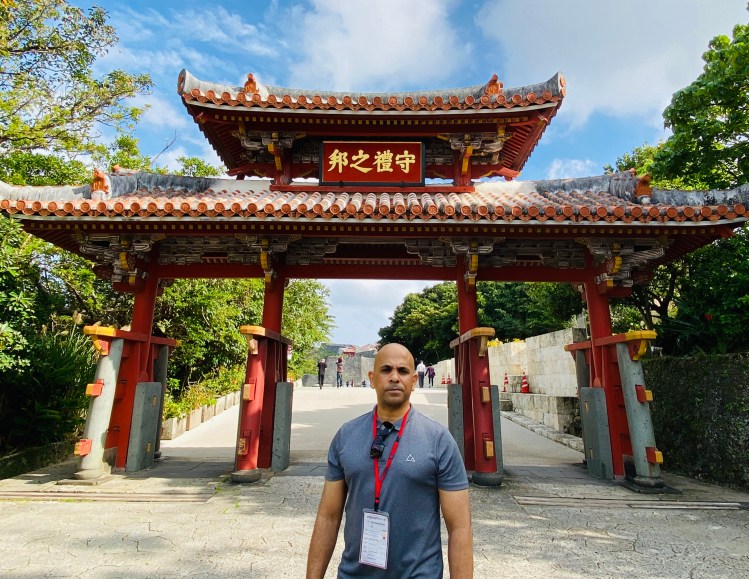
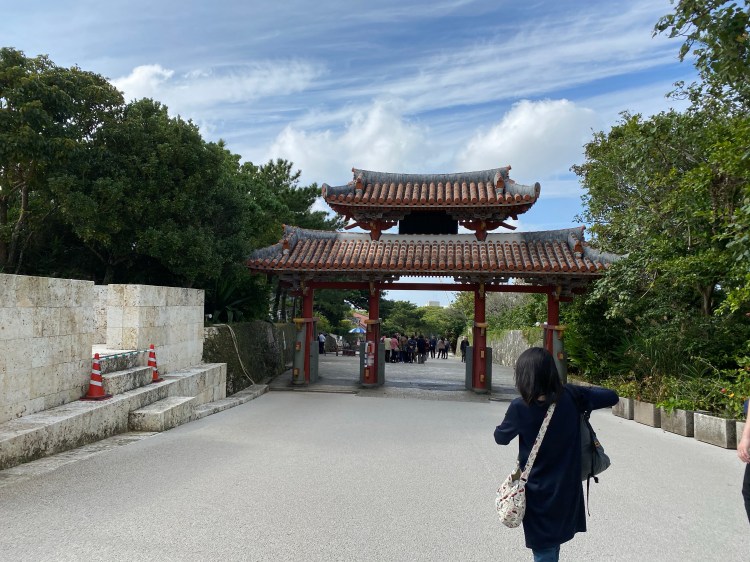
1. SHUREIMON GATE : It’s a traditional design with a very ornate roof and situated on the main entrance.
“Shurei” means “observing manners” and “a nation which observes manners” is written on the horizontal frame at the center of Shureimon Gate. The four Chinese characters framed on the gate – Shu, rei, no, and kuni, which mean ‘Land of Propriety’ – were added to the gate long after it was built. It means “Ryukyu is a nation which respects manners”. It is a “ Beautiful Gate” representing Shuri Castle which is a World Heritage site and was built around 1527 to 1555. It was destroyed during the Pacific War but restored later in 1958.
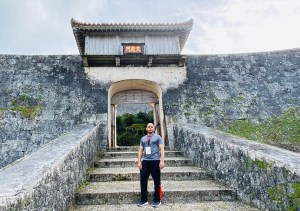
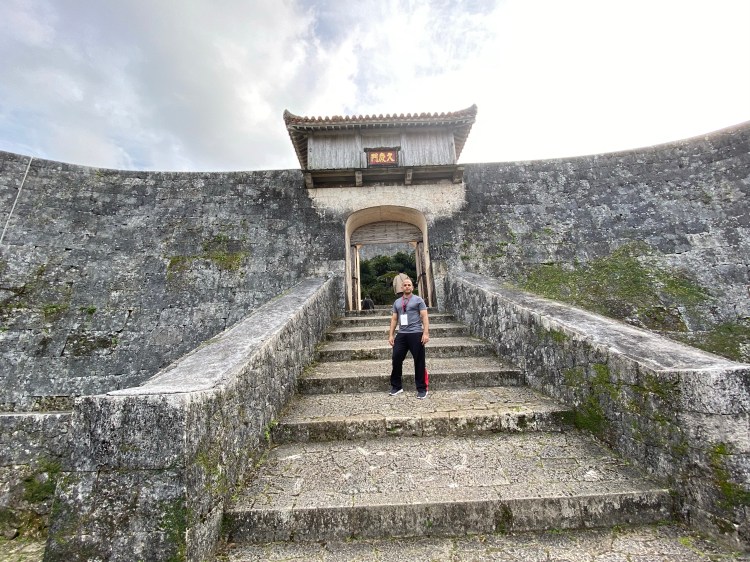
2. KEISEIMON GATE : is a passage way for the outer castle walls in the southeast of Shurijo Castle. It’s usually functioned as a service entrance for daily commodities and it’s completed in 1546.
It was also known as “Suetsugi Ujo” . Both “Keissei” and “Suetsugi” were derived from the succession ceremonies held when a king passed away. The succeeding king would walk through the gate to make his way through Bifukumom Gate to Yohokoriden Hall in Ouchibara for the enthronement ceremony.
There is lots of gate in Shurijo castle , while Kankaimon Gate is the main entrance, Kyukeimon Gate a side gate. Keiseimon Gate is the most beautiful in Shurijo and it’s also called “Akata Ujo” as the gate faced Akata District Of Shuri. Both sides of the Gate face other in a concave shape to defend against intruders with arrows aimed from both sides.
3. ZUISEN MON; The name comes from the spring called “Ryuhi” located to the right in front of the gate. “Zuisenmon” is protected by a pair of Shisa’s as well as the “Kankai Mon”.
Its architectural style is mainland Japanese, with a red painted turret directly set on both sides of the stone gate.
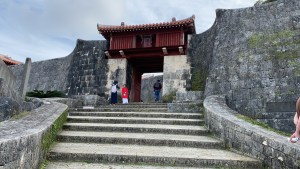
4. KYUKEIMON : is also known as Hokori Ujo. Kyukeimon functioned as a service gate where mainly women passed through.
The gate was used on occasions when the king visited the temple to offer his prayers, or when he set on his journey to visit the Urasoe area and further north. The gate was constructed between 1477 and 1526 (during the reign of King Sho Shin), was restored in 1983.
Although regular exercise is good for body and soul, diving head first into an advanced exercise program is not encouraged. It can even be dangerous if you don’t avoid some common mistakes.
If you’re a beginner, your body isn’t prepared for the types of strains exercise can place on it. As a result, engaging in an exercise program with little foresight and planning can lead to burnout, frustration and injury.
If you want to maximize your workout, it’s going to take a combination of motivation and the correct information. So let’s review the 10 most common mistakes that can be easily avoided.
Skipping the warm-up. Muscles need time to adjust to the demands placed on them during exercise. Before hitting the gym or jumping into your regular cardio workout, you should take a few minutes to gently walk, cycle or whatever you choose to prepare the body for heavier activity. Breaking a light sweat will get your blood pumping, warm up muscles and ligaments, greatly reduce your risk of injury and increase the effectiveness of your workout.
Skipping the cool-down. Due to time constraints, many people head straight to the showers after their last repetition or as soon as the timer on the treadmill dings. Instead, take a few minutes to lower your heart rate close to its resting rate. This will reduce your risk of injury and give you a few minutes to incorporate some relaxation into your routine.
Not stretching. Flexible muscles are far less likely to be pulled than tight ones. Stretch before a heavy workout or after your workout as a warm-down. Never stretch a muscle without warming up first to reduce your risk of injury even further. Regular stretching greatly increases your flexibility.
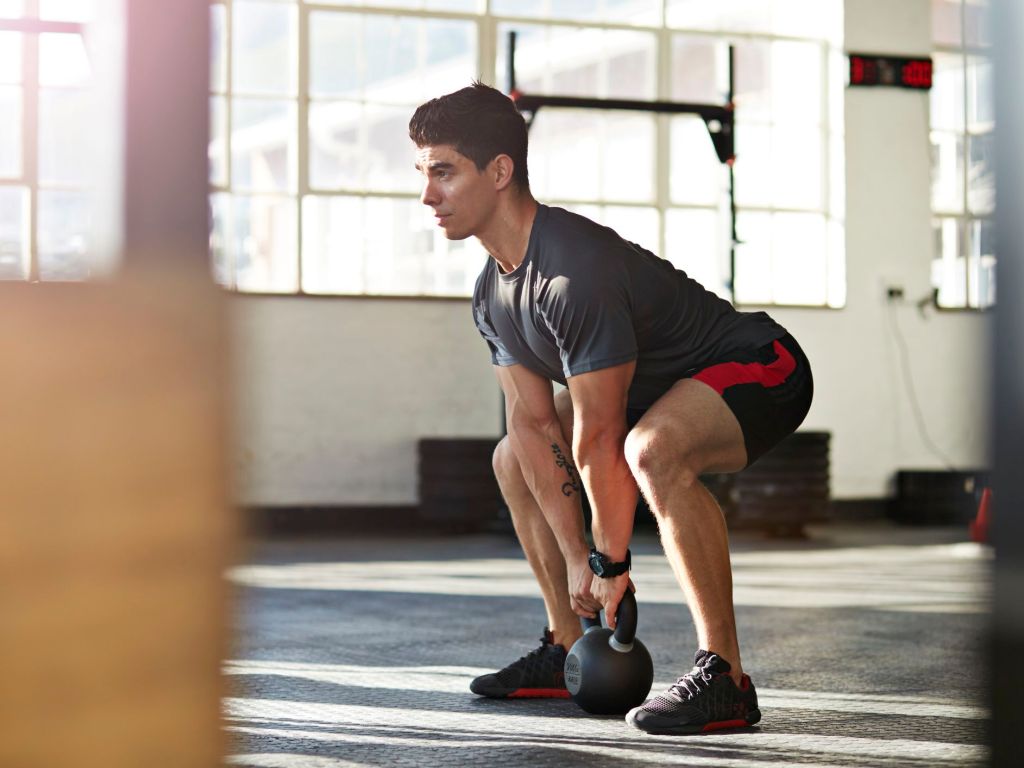
Lifting too much too fast. Placing demands your muscles are not prepared to handle is the best way to injure yourself. Gradual, progressive resistance is a far more effective and safe way to increase muscle strength. You should select a weight that allows you to do 10–15 repetitions. If you can’t do 10 reps, the weight is too heavy. If you can easily do 15, then increase the weight by five percent.
Using too light a resistance. If you are doing over 15 reps or have not increased your resistance in over two weeks, it is time to progress. If you want to improve, you have to keep your muscles stimulated. If you continue to do the same weights with high reps, you will maintain your current physique and not advance.
Waiting until you are thirsty to drink. Only camels can go without water! For the rest of us it’s a necessity! Don’t wait until you feel thirsty because you are already dehydrated at that point. Drink plenty of fluids before, during and after your workout.
Using bad form. It’s much more effective to choose a lower level, speed or weight and perform the exercise properly than it is to go too fast or too heavy and use poor form and momentum. Lower the intensity to the point at which you can maintain good posture. An example of poor form would be leaning on the StairMaster handrails or swinging the dumbbells during a bicep curl.
Resting too much. While it’s true you don’t want to overdo it, taking too much time in between exercises can decrease the training benefits and set you up for injury. Allow for about 30 seconds between toning exercises — which is usually just enough time to move to the next station and set up. You should exercise intensely enough to work up a light sweat, get your heart beating and feel a sense of satisfaction for having completed your workout.
More is better. It’s not necessary to spend over an hour doing cardiovascular exercise. Studies show that the risk of injury outweighs the benefits after 60 minutes. Sessions of around 45 minutes most days of the week are recommended for weight loss.
Remember, exercise is only one link to a complete program of well-being. Mental, spiritual and psychological “workouts” are just as important. Your body will repay you! The only thing left is to just do it… safely.
Most people, especially those who are not as intelligent as Einstein, would want to have a boost of their brain power. If you are one of those people who want to think better, your brain power boost might be just a few steps away.
Engage yourself in a Regular Exercise
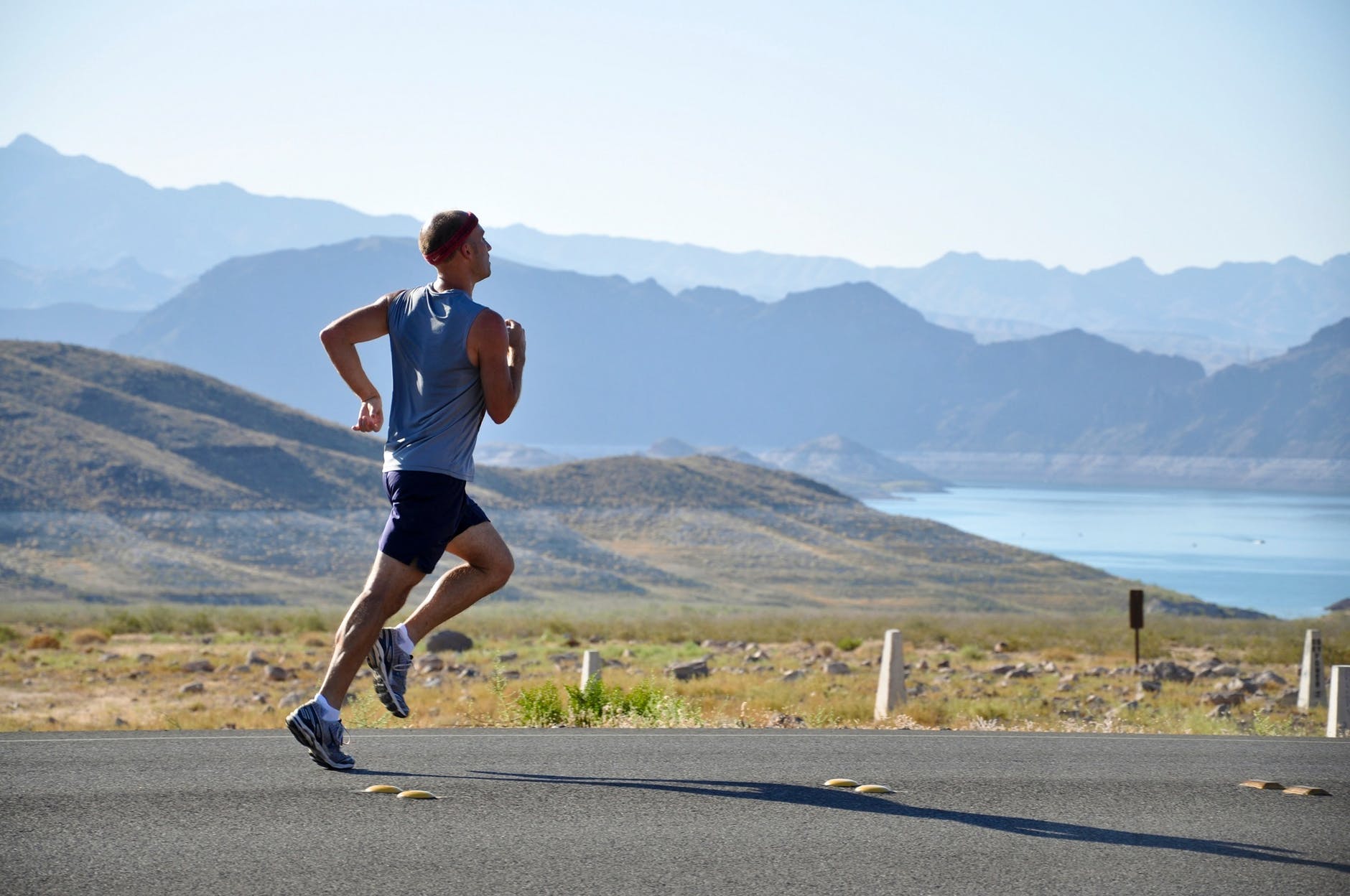
Do simple exercises like a simple walk or jog. It may not be as intense as a full-blown work-out. You just have to keep your body physically fit and active. Simple work-outs may trigger the release of neurochemicals known as endorphins. These chemicals are responsible for making us feel happy and by feeling happier, a more positive effect on the brain can be observed.
Supplement your Diet
Natural supplements are believed to have a good effect on the brain. These supplements not only keep your body healthier, they also maintain the fitness of your brain; thus resulting to better brain power! These supplements are so popular that they can be found anywhere, from your local health and food store up to the web pages of the internet.
Use your Brain
If you are to exercise your body, you should exercise your brain as well. Use your brain muscles more often ñ think and learn. You may read, talk with other people or even play educational games. Any activity that can keep your brain working effectively may be tried out.
Enjoy an Educational Hobby
Choose a hobby that will give you some lessons at the end of the activity. This will not be such a difficult task since most of the time, we learn something from our experiences. Just be sure to do things that are not monotonous. Your hobby should be something that will help you learn new things every time you perform it. This way, you will be able to use some parts of your brain which are left unused before.
Sleep Well
Sleeping is the time when your body rebuilds and recharges itself. Most professionals believe that you should sleep for at least six to eight hours a day. Aside from these hours, you should also try to take ten-minute power naps. After these refreshing sleeps and naps, you will surely feel energized to take on more activities for the day. Do not deprive yourself of sleep, and you will then realize that your brain will function better with more hours of sleep.
Relax
Because of the complexities of our society today, your brain is exhausted just as much as your body. Thus, you should take the time to relax and cleanse your mind of the worries and stresses that might overwhelm your thoughts. You may want to try on spas or meditations to give your mind a break from all the hassle. After the relaxation, you will feel that you are prepared to take on another complex day! This is how you make better your brain’s health and performance.












 Jabir Dojo