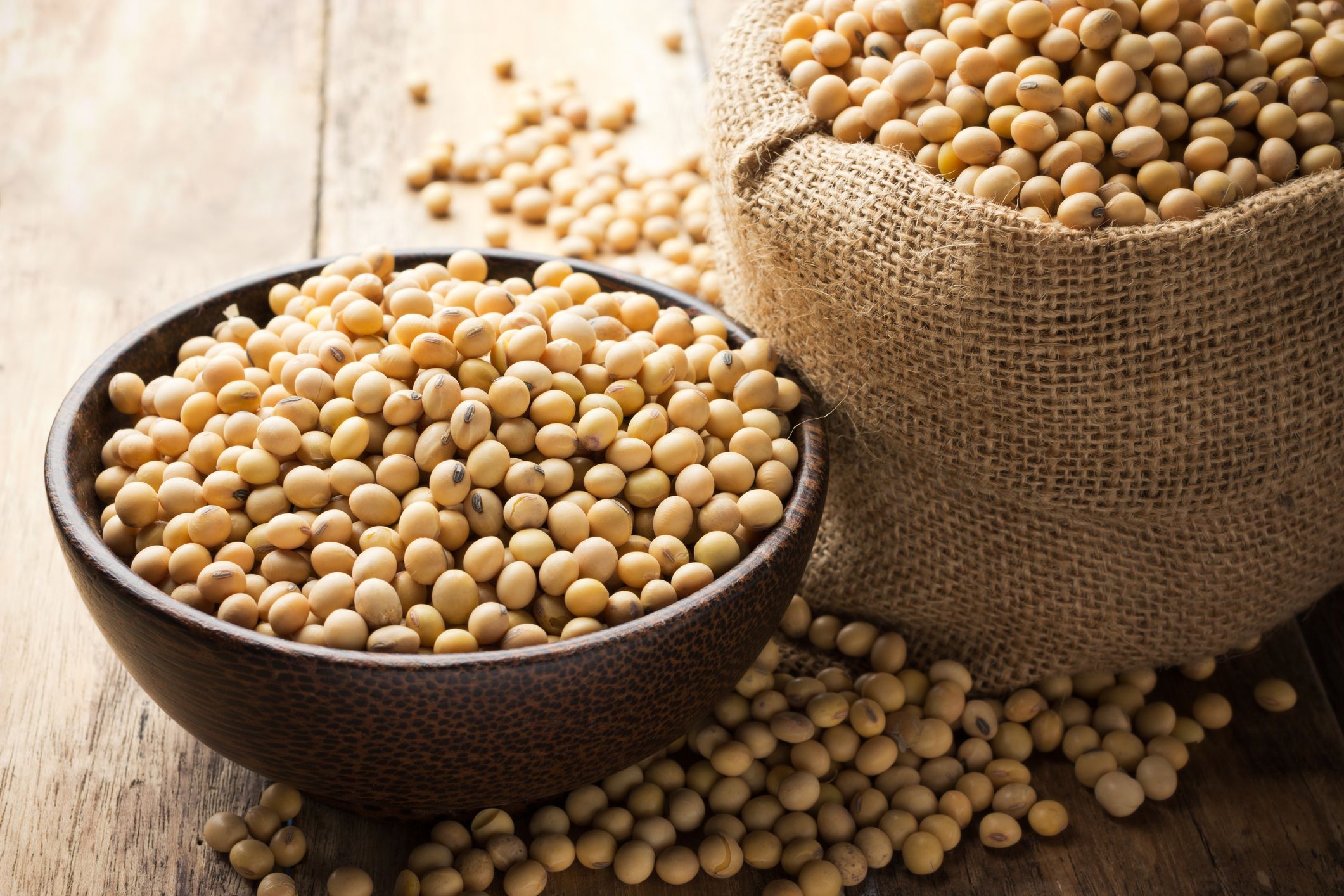
Soy protein inhibits the absorption of iron. Therefore, the effects of taking both supplements simultaneously may negate the effects of taking the iron supplement in the first place. You may want to consider a different protein source such as whey, casein or egg protein to prevent this antagonist reaction. If soy is your preferred protein, ensure that you are allowing some time to elapse between ingesting each supplement.
Active recovery is a form of low-intensity exercise. An active recovery workout often follows a very intense training session. You can use active recovery sessions during a high-intensity interval workout, at the end of a workout, or on a rest day.
Recovery is a great way to let the body relax and prevent injuries due to over-training. But it doesn’t have to be about lying around and streaming a lineup of movies. In fact, clients can maximize their rest days with effective active recovery workouts that supplement everything from weightlifting to cardio.
Many people have weak glute muscles. In fact, weak, imbalanced, and under-activated glute muscles are among the most common causes of pain, injury, and poor mobility. The main culprit is a reality of modern living: we sit too much and end up with weak glutes and tight hips.
Weak glutes are also responsible for the majority of knee & ankle injuries, as well as lower back pain.
The gluteus muscles are located in the hip and pelvic region of the body. In this lesson, learn about the definition, location, and function of the gluteus minimus muscle.
Lateral tube walks are great as are hip bridges, deadlifts, kneeling donkey-kicks & Fire-hydrants, standing side leg lifts and rear alternating transverse lunges (like ice-skaters).
Most of people sit at least 6-8 hours per day. This leads to a more dormant posterior chain and poor posture. The posterior chain refers to the entire backside of the body, which means both upper and lower body muscles are included.
The longer sitting throughout the day, the tighter your hip flexors become. And the glutes lose their strength and become inactive. Tight hip flexors and inactive glutes can be fixed by building a strong posterior chain
Exercises like the deadlift, kettlebell swing, and glute bridge are just a few effective options to add to your posterior chain exercise roster. Let’s take a closer look at how a posterior chain workout should be executed for optimal results.
For higher-intensity exercises, such as fast-paced running, the body will rely more on carbs for fuel than fat. That’s because the metabolic pathways available to break down carbs for energy are more efficient than the pathways available for fat breakdown. For long, slower exercise, fat is used more for energy than carbs. …….
Weightlifting is beneficial for women at any age and will not make you bulky. Rather, it can help create a lean, stronger look.
It helps you build strength and muscle and reduces your risk of chronic diseases, and it can promote weight loss.
A workout regimen that includes weight training days targeting various muscle groups, as well as cardio and a nutritious diet with adequate protein, will support your weight loss efforts.
While most experts recommend aiming for 3–5 weight training sessions per week, incorporating any weight training into your exercise regimen will be beneficial.
As part of our daily lives we are constantly moving, bending, squatting, lifting, reaching, and carrying things. What that means is that when we incorporate those movements into our fitness training routines it will make these everyday movements easier.
Most of the people sit at a desk in front of a computer or on a smartphone for much of their day. Lack of movement and poor posture leads to different areas of the body being tight or weak.
Sitting for a long time one of the reason for weak or tight Hip Flexors. Hip flexor tightness can come from excessive sitting and bad posture. If your are sitting a lot throughout the day, your hip flexors remain in a flexed position for an extended period. This creates tightness and leads to inactive hip flexor muscles. When muscles are inactive, they will atrophy and become weaker. Weak hip flexors will lead to more hip flexor strains and pain.
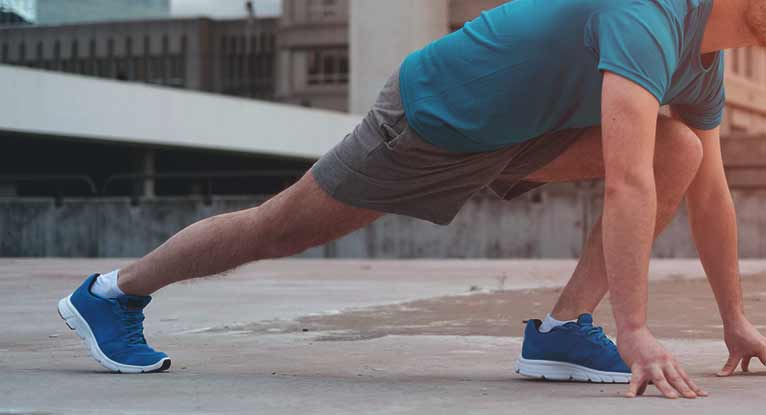
Stretching can be static or dynamic and is a piece of programming that many of us neglect regularly. Static stretching is holding the stretch in a stationary position while dynamic stretches move a joint or joints through their full range of motion to mimic the upcoming activity or sport.
For weightlifters and athletes of all sports, dynamic stretching is the more effective warm-up strategy while static stretching is far more effective post-workout as a cool down.
Preparing for a Workout
“Stretching” and “warming up” often are used interchangeably but they are not the same thing. A proper warm-up, which could include 10 minutes of walking, jogging, or biking, should be done before performing stretching exercises.
Stretching while the body is cold can lead to injury. Plus, an increased body temperature helps increase the joint’s ROM.
Planks involve a more complete and comprehensive balance of the muscles of the abdominal, obliques, spinal erectors, and to some extent muscles in the glutes, shoulder, chest and arms. Planks use an isometric contraction to target the core musculature, and muscle activation has been shown to be almost twice as active as in a standard sit-up. Planks, if done correctly, are safe and put no unnecessary strain or compression on the spine. Variations of the plank movement can be performed to increase or decrease difficulty and target different muscles
Drawbacks of Planks:
Joint limitations in the elbows, shoulders, or feet can potentially negatively affect your ability to correctly perform the exercise. If you are very weak in the core musculature, you might find it difficult to maintain proper positioning in the movement for more than a few seconds, and therefore limited progress can be seen in the early stages of performing the exercise.
How to do it: Start by resting on the forearms and toes while keeping the body in a straight line from neck to ankles . Make a Double chin / tuck the chin to activate the deep neck flexors. Next, “squeeze the Glutes and Quads.” The elbows and feet won’t move.
How to modify it: If this version is too difficult, rest your knees on the floor. The body should be in a straight line from neck to knees and “pull the knees toward the hips” instead of “pull the feet toward the hips.”



 Jabir Dojo