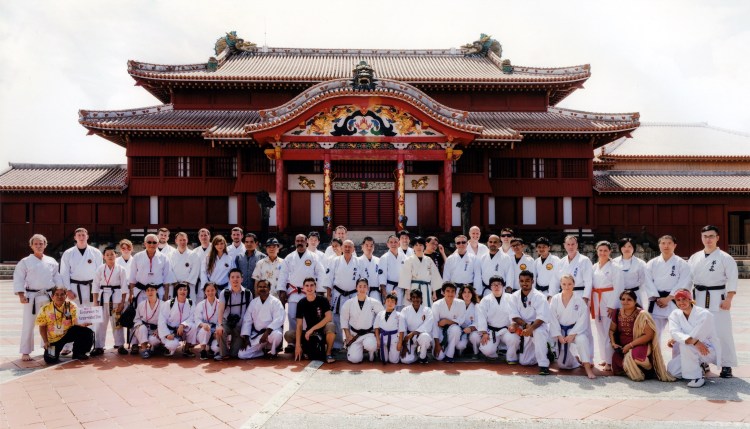
Okinawa Karate Tour 2020
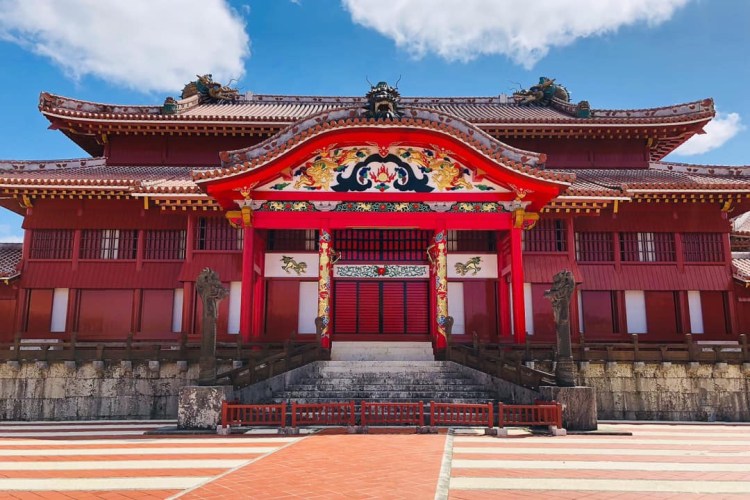
Shuri Castle is a Ryukyuan gusuku castle in Shuri, Okinawa Prefecture, Japan. Between 1429 and 1879, it was the palace of the Ryukyu Kingdom, before becoming largely neglected. In 1945, during the Battle of Okinawa, it was almost completely destroyed. After the war, the castle was re-purposed as a university campus.
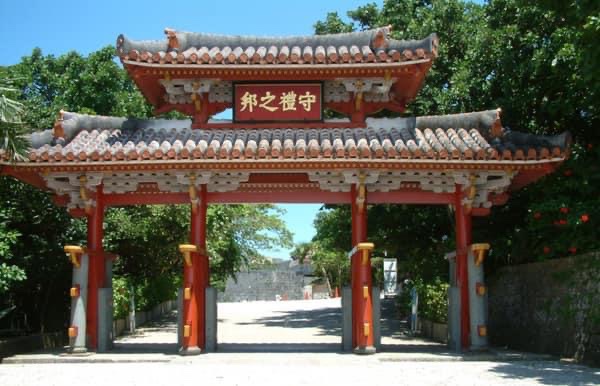
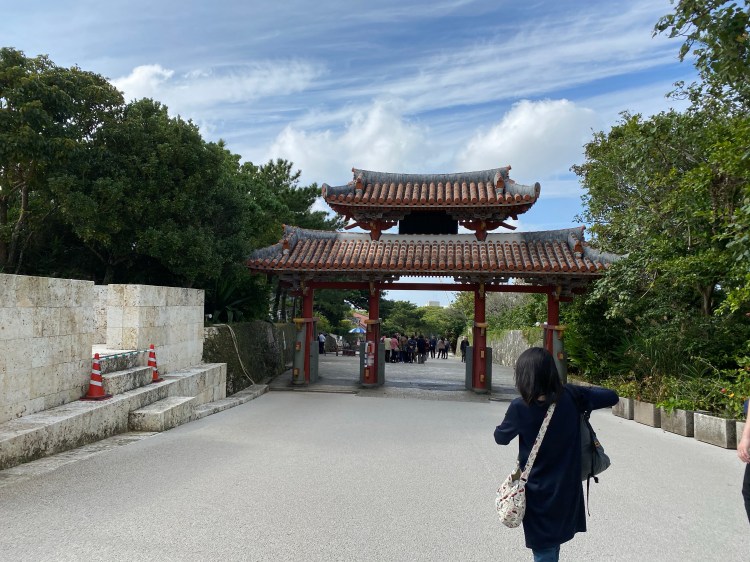
1. SHUREIMON GATE : It’s a traditional design with a very ornate roof and situated on the main entrance.

“Shurei” means “observing manners” and “a nation which observes manners” is written on the horizontal frame at the center of Shureimon Gate.
The four Chinese characters framed on the gate – Shu, rei, no, and kuni, which mean ‘Land of Propriety’ – were added to the gate long after it was built. It means “Ryukyu is a nation which respects manners”. It is a “ Beautiful Gate” representing Shuri Castle which is a World Heritage site and was built around 1527 to 1555. It was destroyed during the Pacific War but restored later in 1958.
2. KEISEIMON GATE : is a passage way for the outer castle walls in the southeast of Shurijo Castle. It’s usually functioned as a service entrance for daily commodities and it’s completed in 1546.

It was also known as “Suetsugi Ujo” . Both “Keissei” and “Suetsugi” were derived from the succession ceremonies held when a king passed away. The succeeding king would walk through the gate to make his way through Bifukumom Gate to Yohokoriden Hall in Ouchibara for the enthronement ceremony.
There is lots of gate in Shurijo castle , while Kankaimon Gate is the main entrance, Kyukeimon Gate a side gate. Keiseimon Gate is the most beautiful in Shurijo and it’s also called “Akata Ujo” as the gate faced Akata District Of Shuri. Both sides of the Gate face other in a concave shape to defend against intruders with arrows aimed from both sides.
3. ZUISEN MON; The name comes from the spring called “Ryuhi” located to the right in front of the gate. “Zuisenmon” is protected by a pair of Shisa’s as well as the “Kankai Mon”.
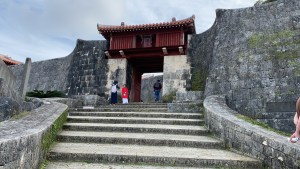
Its architectural style is mainland Japanese, with a red painted turret directly set on both sides of the stone gate.
4. KYUKEIMON : is also known as Hokori Ujo. Kyukeimon functioned as a service gate where mainly women passed through.
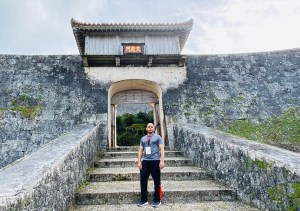
The gate was used on occasions when the king visited the temple to offer his prayers, or when he set on his journey to visit the Urasoe area and further north. The gate was constructed between 1477 and 1526 (during the reign of King Sho Shin), was restored in 1983.
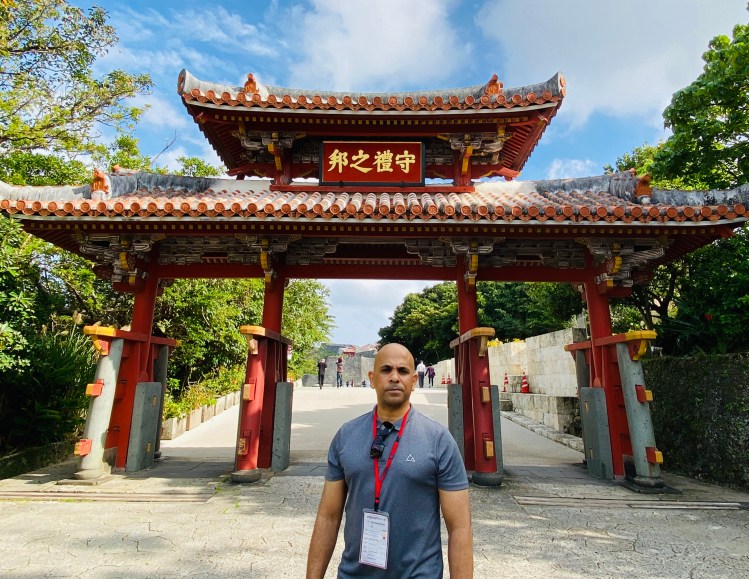


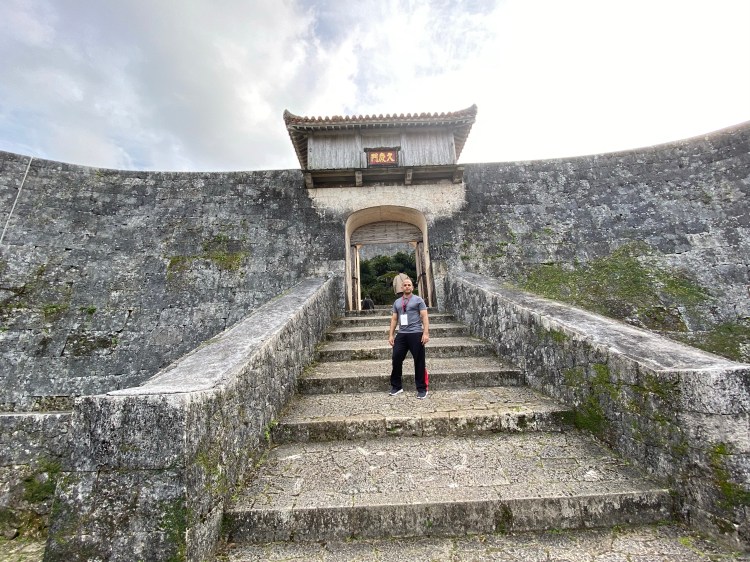
@ Okinawa – January 2020
 Jabir Dojo
Leave a comment